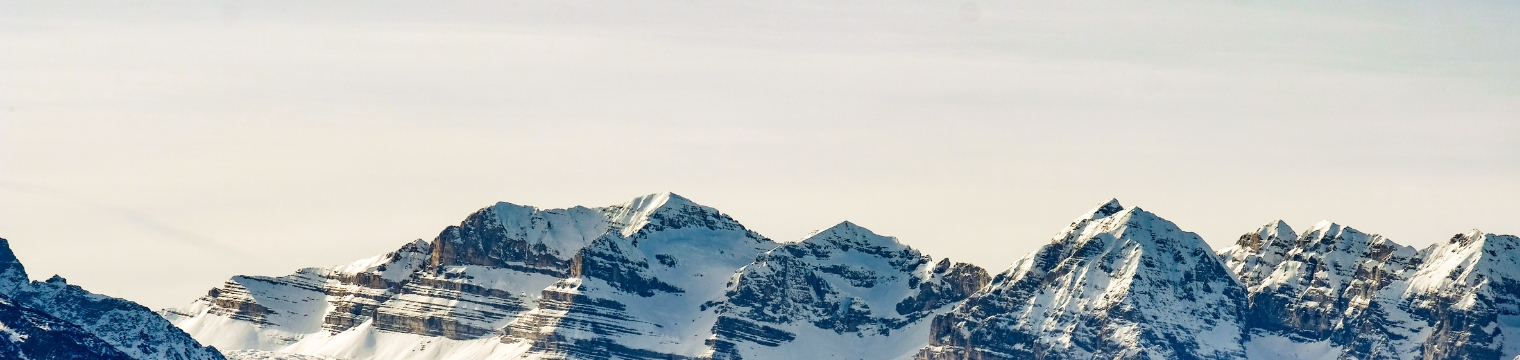
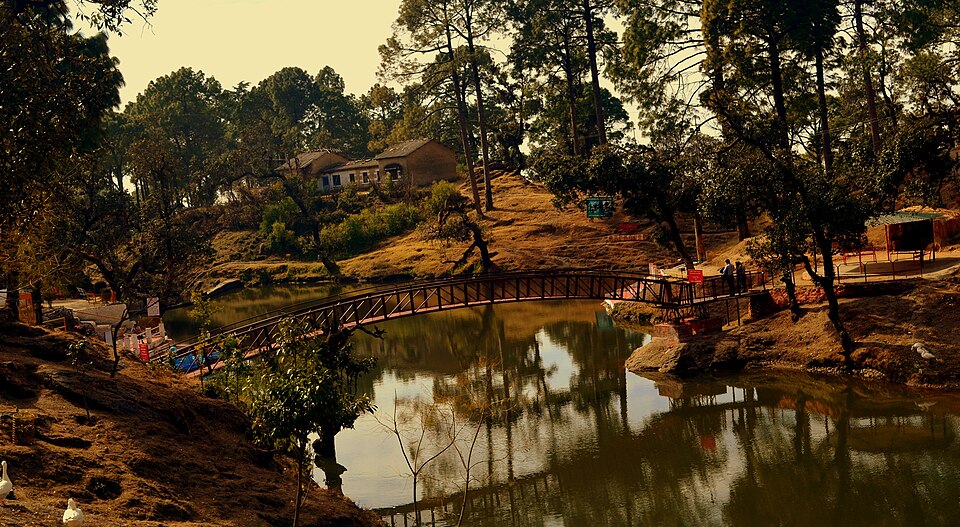
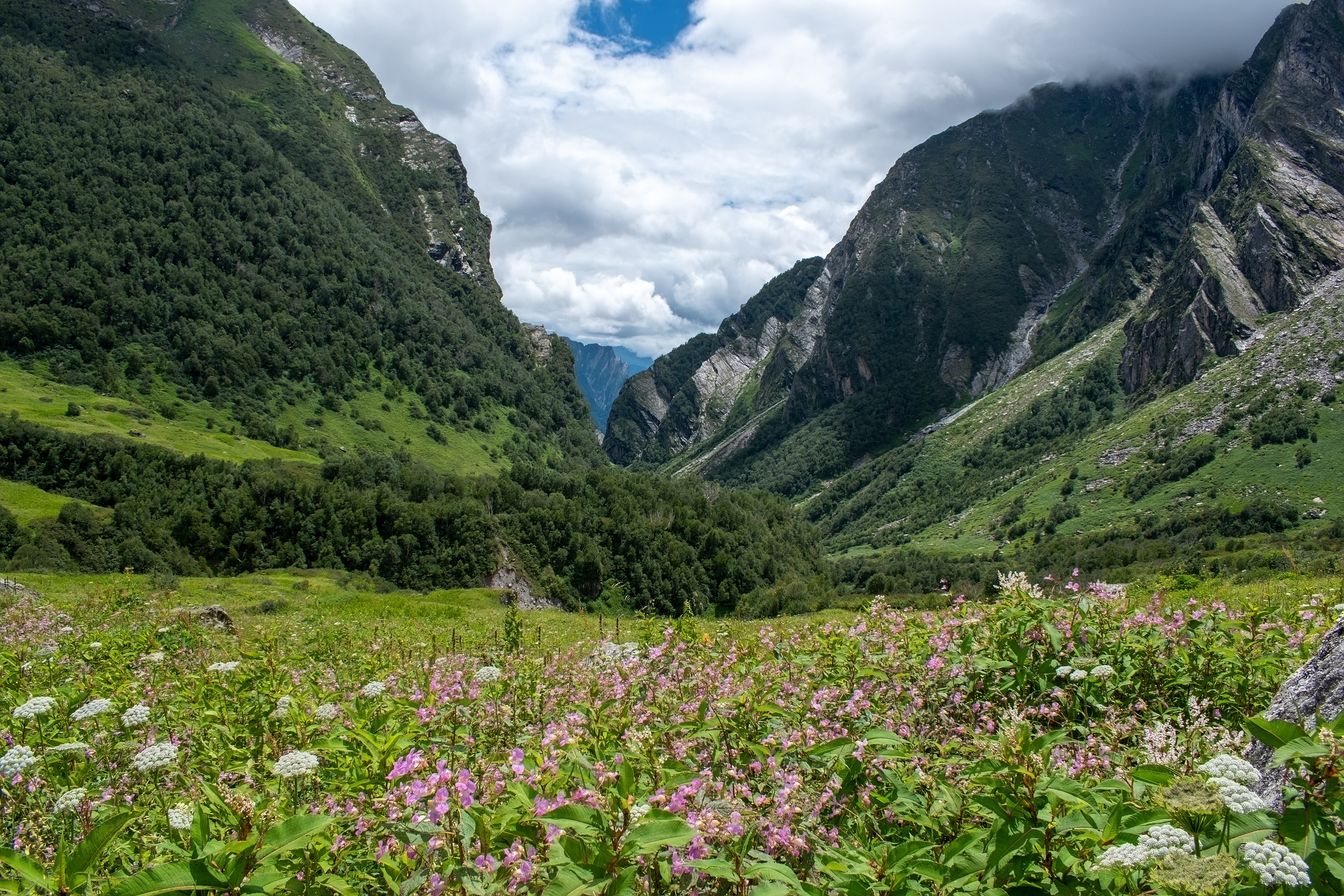
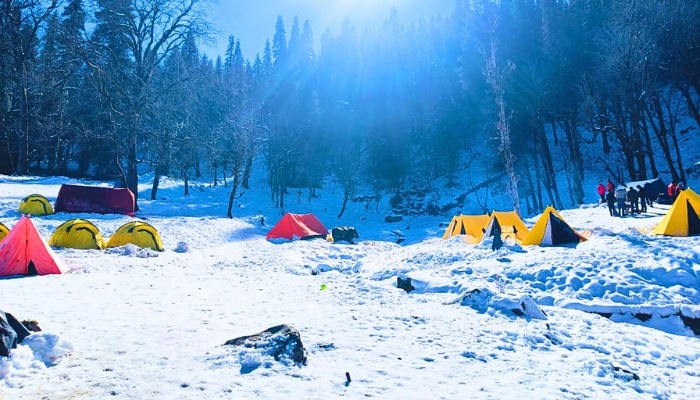
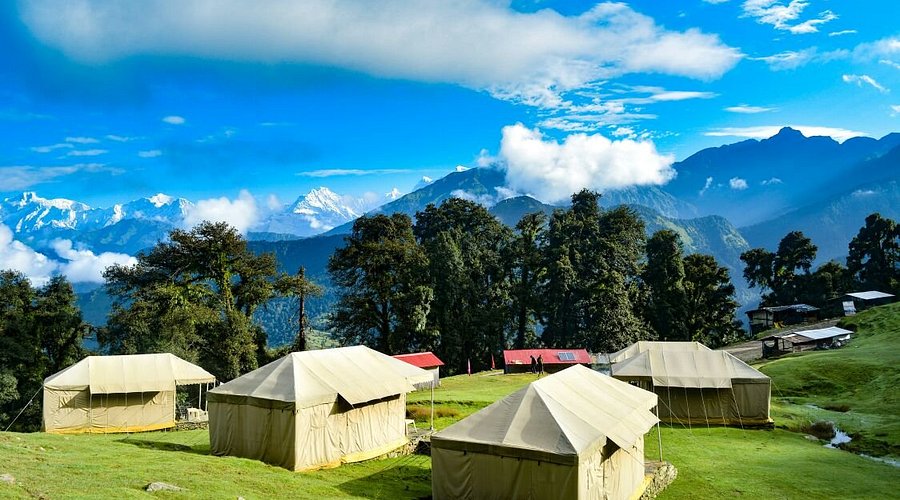
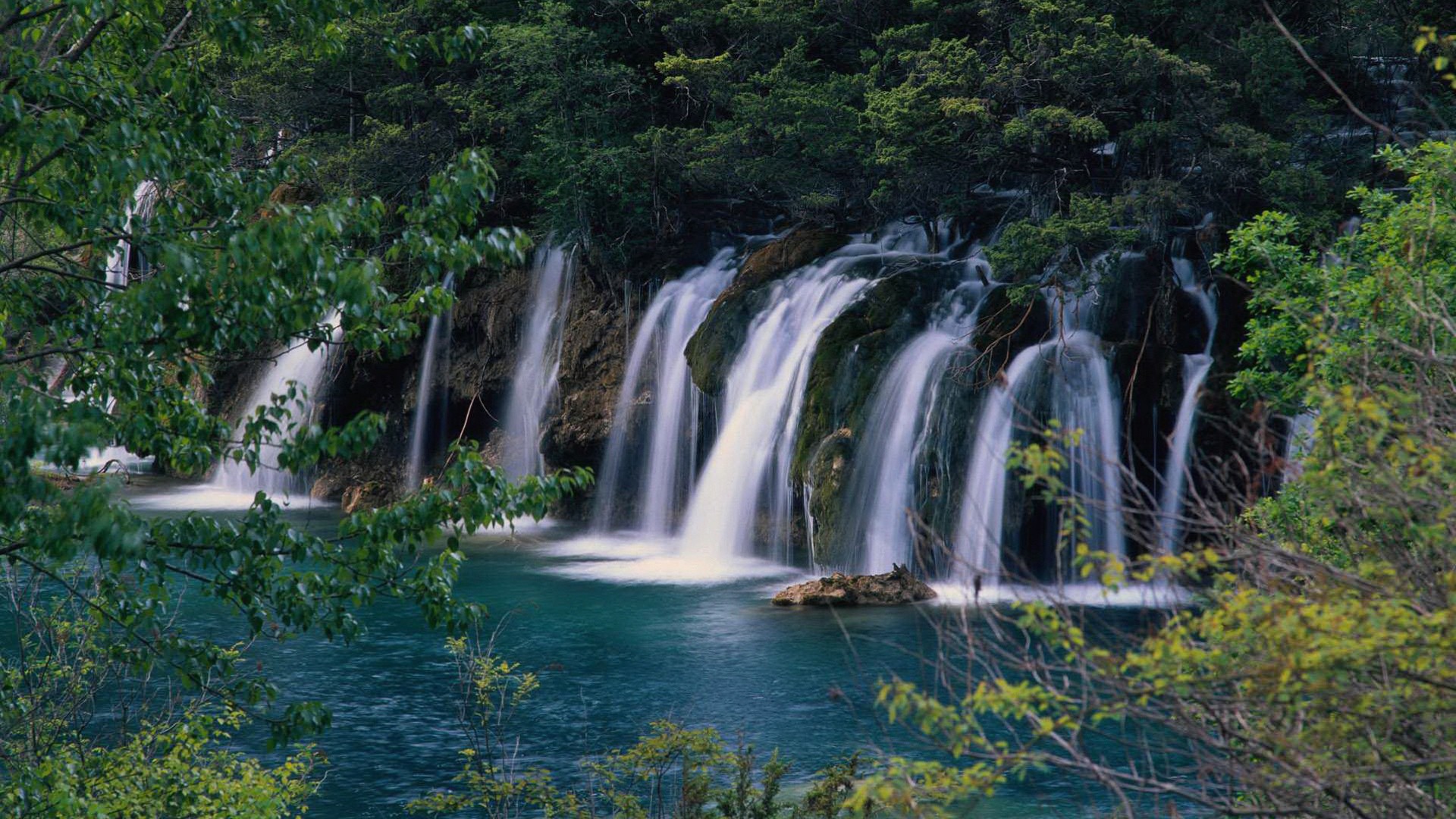
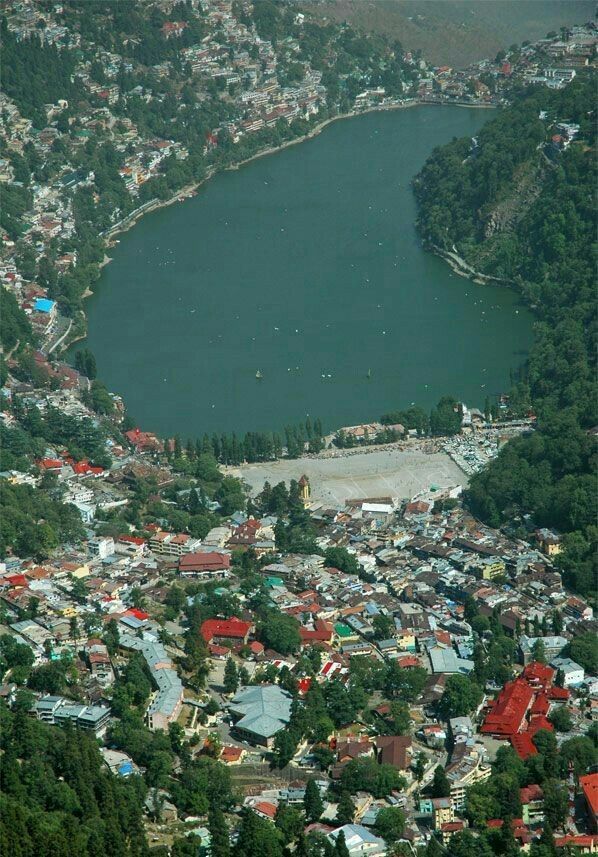
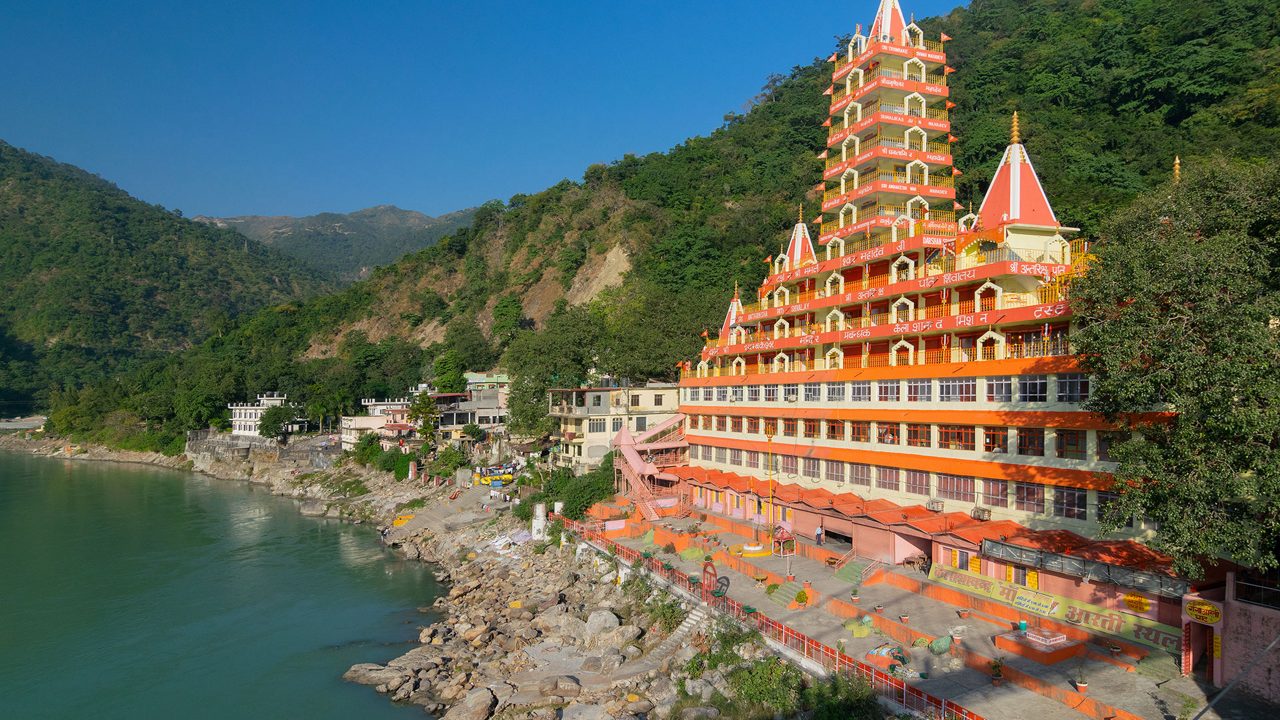
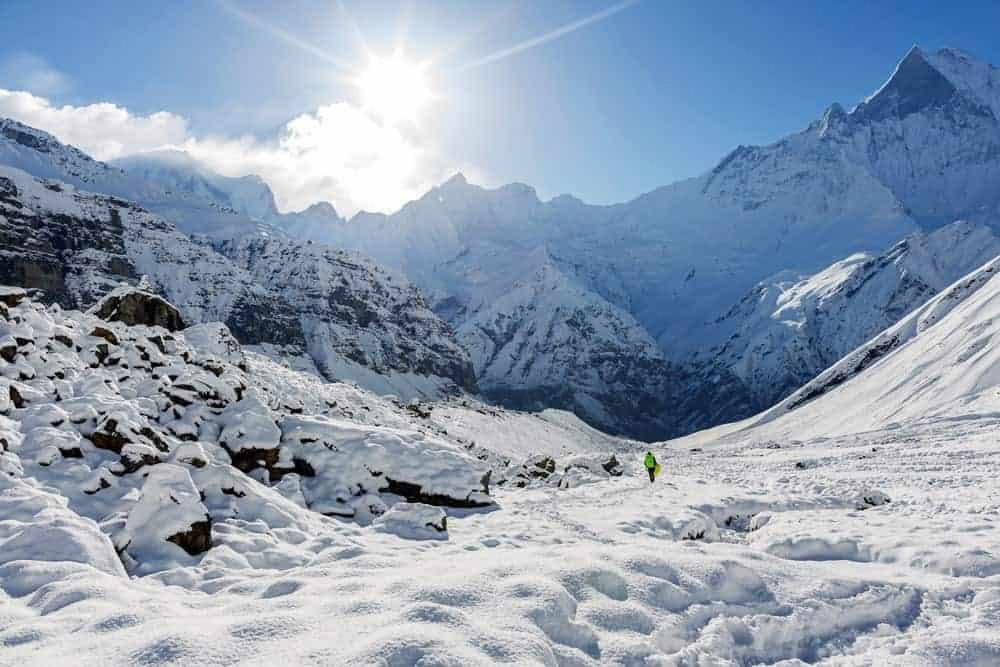
The landscape of Uttarakhand is diverse and dramatic, ranging from snow-covered Himalayan peaks and alpine meadows to lush valleys and river plains. The state is divided into two main regions: Garhwal and Kumaon, both of which offer unique cultural heritage, natural landscapes, and tourism experiences.
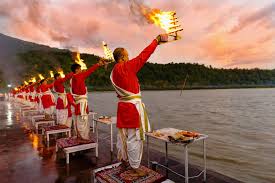
Uttarakhand is home to some of the most revered Hindu pilgrimage sites, including the famous Char Dham Yatra — Badrinath, Kedarnath, Gangotri, and Yamunotri. Millions of devotees visit these sacred shrines every year, making the state one of the most important spiritual centers in India.
Apart from pilgrimage tourism, Uttarakhand is equally popular for adventure activities such as trekking, river rafting, skiing, camping, wildlife safaris, and mountaineering. Famous destinations like Nainital, Mussoorie, Rishikesh, Auli, Jim Corbett National Park, and Valley of Flowers attract travelers from across the world.
Whether someone seeks spiritual peace, thrilling adventure, wildlife encounters, or simply a refreshing escape into nature, Uttarakhand offers an unforgettable experience.
Uttarakhand is characterized by its mountainous terrain, pristine rivers, and lush forests. Around 86 percent of the state consists of mountains and hills, making it a paradise for nature lovers and trekkers.
The Himalayas dominate the northern part of the state, where towering peaks such as Nanda Devi, Trishul, and Kamet stand majestically. Nanda Devi, the second-highest mountain entirely within India, is one of the most iconic peaks in the region.
Numerous glaciers originate in Uttarakhand, including the famous Gangotri Glacier, which is the source of the holy Ganges River. Many other important rivers like Yamuna, Alaknanda, Mandakini, and Bhagirathi also originate here, flowing through deep valleys and forming spectacular landscapes.
The state also features beautiful alpine meadows known as Bugyals, which transform into lush green carpets during summer and are often covered in snow during winter. These meadows offer breathtaking trekking experiences and stunning panoramic views of the Himalayas.
Forests cover nearly 45 percent of Uttarakhand’s land area, consisting of pine, oak, rhododendron, deodar, and alpine vegetation. These forests support a rich biodiversity and are home to many wildlife species including elephants, tigers, leopards, and Himalayan black bears.
The culture of Uttarakhand reflects a harmonious blend of spirituality, tradition, and mountain lifestyle. The people of the state are known for their simplicity, hospitality, and deep connection with nature and religion.
Two main cultural regions define the state:
- Garhwal Region
- Kumaon Region
Both regions have their own dialects, traditions, music, and cuisine, yet they share a common cultural identity rooted in the Himalayan way of life.
Folk dances such as Chholiya, Langvir Nritya, and Jhora are an important part of local celebrations. Traditional songs, often sung during festivals and weddings, reflect themes of devotion, love, and nature.
Festivals hold great significance in Uttarakhand. Major celebrations include:
- Makar Sankranti
- Harela Festival
- Basant Panchami
- Nanda Devi Raj Jat Yatra
- Diwali and Holi
Local handicrafts such as woolen shawls, handwoven carpets, wooden artifacts, and ringaal bamboo products are popular souvenirs among visitors.
The cuisine of Uttarakhand is simple yet flavorful. Traditional dishes like Kafuli, Aloo Ke Gutke, Bhatt Ki Churkani, Chainsoo, and Bal Mithai are loved by locals and tourists alike.