The Do Dham Yatra is a popular alternative for pilgrims who may be constrained by time or wish to focus their devotion on specific deities. In the sacred landscape of Uttarakhand, these "Two Shrines" are traditionally paired based on their geographical proximity and spiritual connection. Whether you choose the path of Shiva and Vishnu or the journey to the sources of the holy rivers, the Do Dham Yatra offers a profound experience of Himalayan sanctity.
The Celestial Pair: Kedarnath & Badrinath
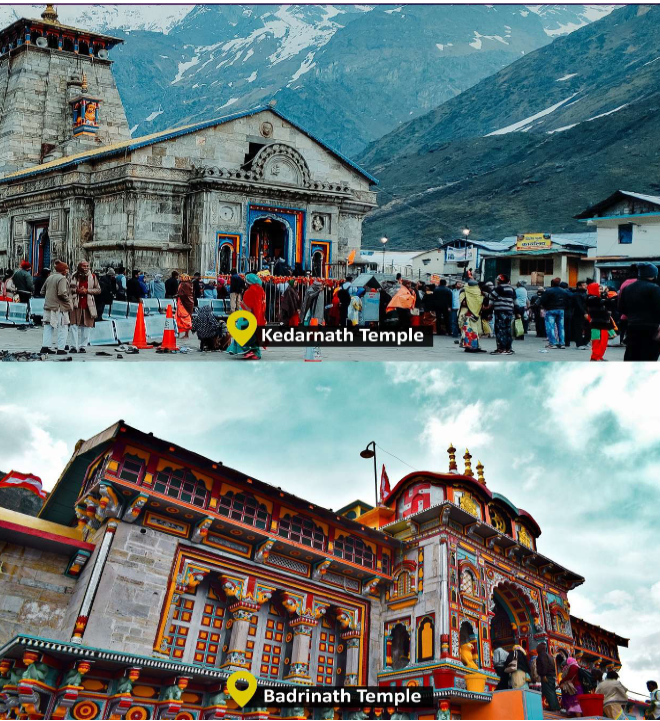
This is the most sought-after Do Dham circuit, often referred to as the "Shiva-Shakti" or "Hari-Hara" tour. It combines the raw, meditative energy of Lord Shiva with the protective, regal grace of Lord Vishnu.
-
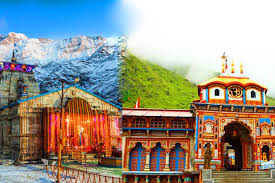
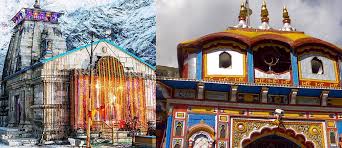
Kedarnath (The Abode of Shiva): Located in the Rudraprayag district, this shrine is one of the twelve Jyotirlingas. It represents the pinnacle of penance and devotion, set against the dramatic backdrop of the Kedarnath peak and the Mandakini River.
-
Badrinath (The Seat of Vishnu): Situated in the Chamoli district, Badrinath is the final stop of the pilgrimage. It is a place of immense peace where Lord Vishnu is said to have meditated for thousands of years.
-
The Spiritual Connection: This pairing allows devotees to pay homage to the two most powerful forces in the Hindu pantheon, bridging the gap between the ascetic world of Shiva and the cosmic preservation of Vishnu.
The Source Pair: Yamunotri & Gangotri
This circuit is dedicated to the Goddesses of the Holy Rivers. It is a journey to the origins of life and purification, following the lifelines of Northern India to their glacial beginnings.
-
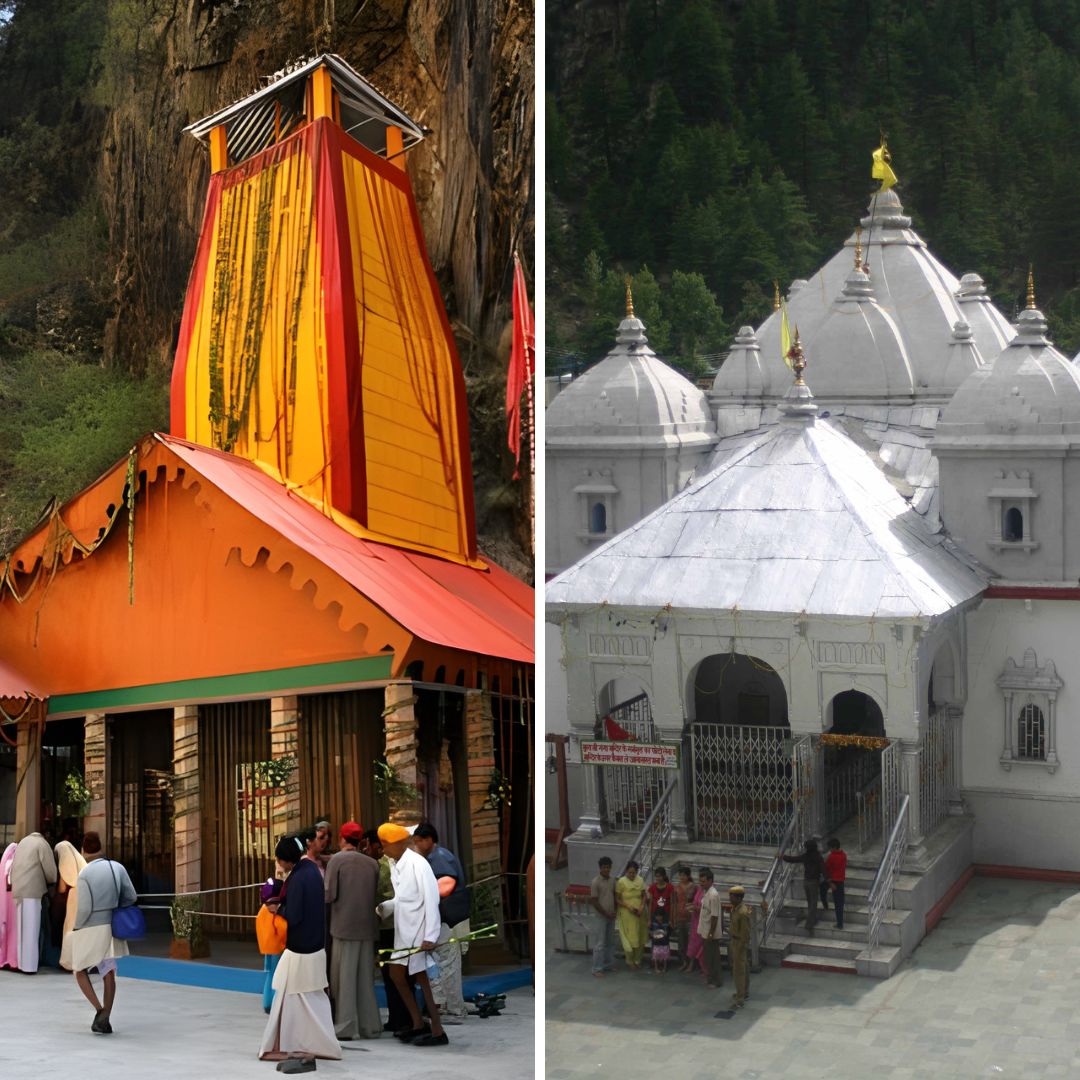
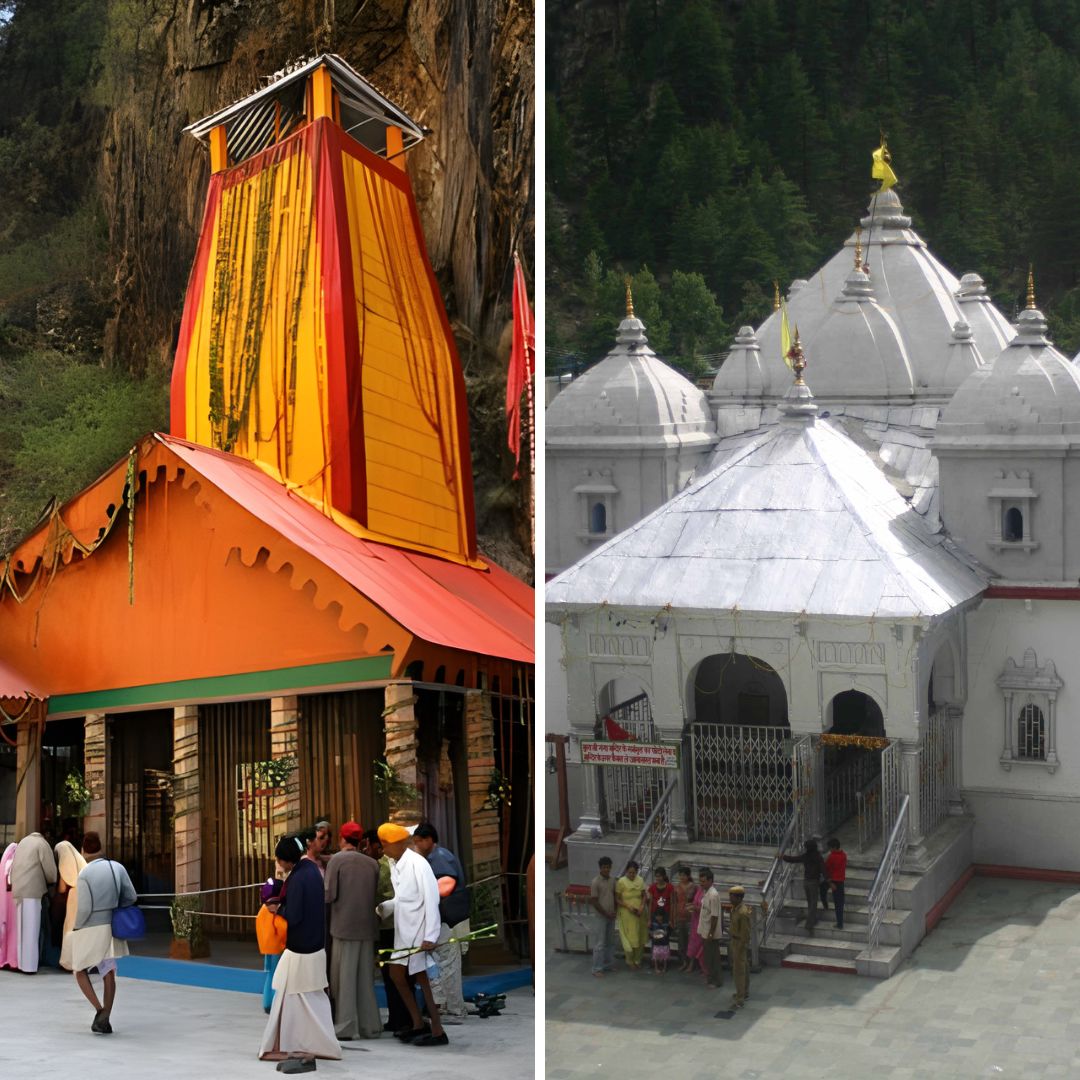
Yamunotri (The Source of Yamuna): The pilgrimage usually begins here. It is dedicated to Goddess Yamuna, the daughter of the Sun God. The atmosphere is intimate and rugged, marked by thermal springs and steep cliffs.
-
Gangotri (The Descent of Ganga): Dedicated to Goddess Ganga, this shrine marks where the river touched earth for the first time. The white temple and the rushing turquoise waters of the Bhagirathi create an aura of absolute purity.
-
The Spiritual Connection: This yatra is a tribute to the "Mother" energy. It is a journey of cleansing, where pilgrims seek to wash away their karmic burdens in the icy, pristine waters of India’s most sacred rivers.
Choosing Your Path
-
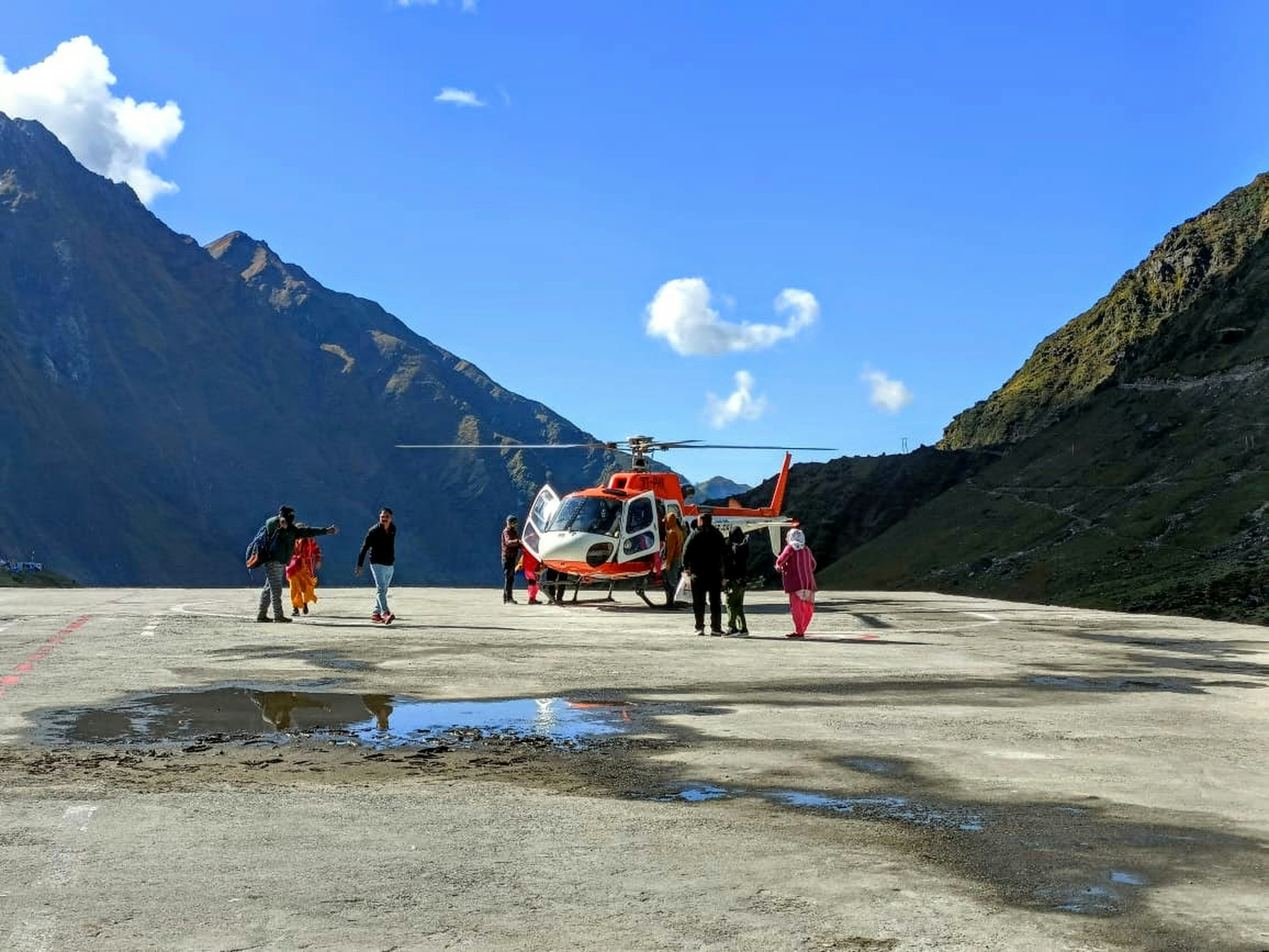
Time Efficiency: While a full Char Dham Yatra typically requires 10–12 days by road (or 5–6 by air), a Do Dham circuit can be completed in significantly less time.
-
Physical Preparation: The Kedarnath-Badrinath route is often considered more physically demanding due to the high altitude of Kedarnath, whereas the Yamunotri-Gangotri route is a soul-stirring introduction to the Himalayan wilderness.
-
Best Time to Visit: Both circuits are accessible from late April/early May until the onset of winter in November (around Diwali).