The Shakti Peethas (The Goddess Trail):
Uttarakhand is home to several powerful seats of the Divine Mother. From the lakeside beauty of Naina Devi in Nainital to the mountain-top heights of Surkanda Devi and the mystical cave of Patal Bhuvaneshwar, these shrines are believed to be the resting places of Goddess Sati’s earthly remains, radiating immense spiritual energy.
The Gateway Cities: Haridwar & Rishikesh:
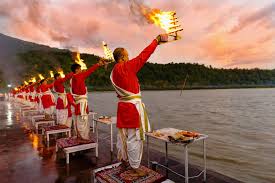
No pilgrimage is complete without a dip in the holy Ganges. Haridwar, the "Gateway to God," is famous for the spectacular evening Ganga Aarti at Har Ki Pauri. Nearby Rishikesh, the "Yoga Capital of the World," offers a blend of ancient ashrams, riverside meditation, and the iconic Neelkanth Mahadev Temple.
The Kumaon Heritage: Jageshwar & Baijnath:
In the Kumaon region, spirituality meets masterful stone architecture. The Jageshwar Dham is a cluster of over 100 stone temples dedicated to Lord Shiva, nestled in a dense deodar forest. Meanwhile, the Baijnath Temple on the banks of the Gomti River offers a peaceful glimpse into the reign of the Katyuri kings.
Sri Hemkund Sahib:
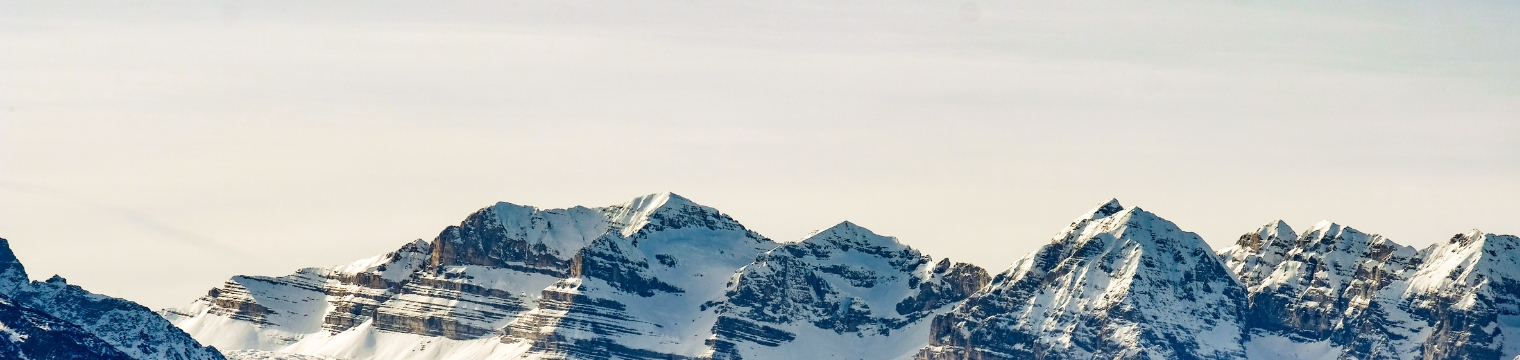
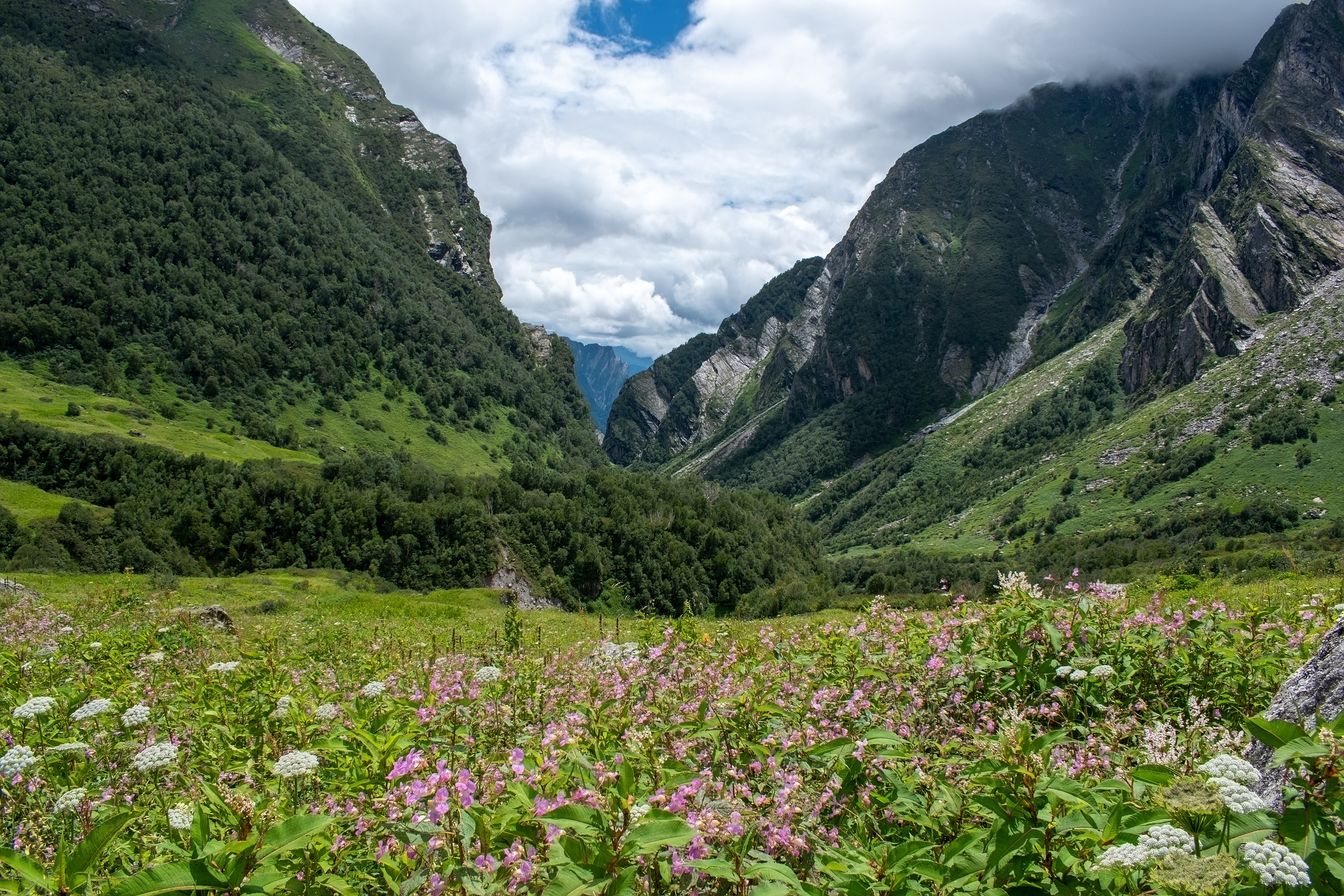
Perched beside a glacial lake at over 4,300 meters, this is one of the most revered Sikh shrines in the world. Dedicated to Guru Gobind Singh Ji, the journey to Hemkund Sahib is a testament to faith, surrounded by seven snow-capped peaks and the nearby Valley of Flowers.
The Essence of the Pilgrimage
A religious tour in Uttarakhand is more than a visit to a temple; it is an immersion into "Devbhoomi." Whether you are witnessing the confluence of holy rivers at the Panch Prayag, ringing the thousands of bells at the "Temple of Justice" (Chitai Golu Devta), or finding quietude at the Kainchi Dham ashram, the experience is designed to provide a sense of "Moksha" or liberation. These sites are easily accessible through our specialized transport services, ensuring that your focus remains entirely on the divine.
Travel Tips for a Relaxed Getaway
-
The Golden Rule of Mountain Travel: Don’t try to see everything in one go. To truly experience the "slow travel" vibe, spend at least 2–3 nights in a single location. This allows you to unpack, find a favorite local café, and sync your rhythm with the mountains rather than the road.
- The "Layer" Strategy: Himalayan weather is famously unpredictable. Even in peak summer, the temperature can drop sharply after sunset. Always pack light layers—a mix of cottons for the day and a good quality fleece or light down jacket for the evenings.
-
Stay Hydrated & Acclimatized: Even if you aren't on a high-altitude trek, the thin air can be dehydrating. Drink plenty of water and avoid over-exertion on your first day at a new altitude. If you are heading to spots like Auli or Kedarnath, give your body a day to adjust at a lower base like Joshimath or Guptkashi.
- Respect the "Pahadi" Peace: Uttarakhand’s charm lies in its silence. Many towns have strict "No Honking" zones and military cantonment rules (like in Lansdowne). Embrace the quiet, respect the local customs at temples, and always carry a reusable water bottle to help keep the pristine ecosystem plastic-free.
-
Connectivity Check: While network connectivity is decent in mountain regions but do download your maps for offline use and keep your hotel’s contact number handy before heading into deeper valleys.