10 Nov 2026
Badrinath Weather by Month: Temperature, Snowfall, Road Access and Packing Advice for Pilgrims
Badrinath Weather by Month: Temperature, Snowfall, Road Access and Packing Advice for Pilgrims
-
10 Nov 2026
Badrinath weather changes fast because the temple town sits high in the Garhwal Himalaya, beyond Joshimath on the road to Mana. For most pilgrims, the safer planning window is the official yatra season after the shrine opens and before winter closure, but the exact opening and closing dates must be confirmed each year with the Shri Badrinath-Kedarnath Temple Committee.
The short answer is this: May and June are popular but still cold at night, July and August bring monsoon disruption risk, September is often more comfortable after the heaviest rains ease, and October can be crisp in the day and sharply cold after sunset. Road status, registration rules and temple schedules can change, so check the official Uttarakhand Char Dham registration portal, local administration notices and Uttarakhand Police advisories close to travel.
Badrinath Weather by Month for the Yatra Season
The first open weeks usually feel colder than many plains travellers expect. Badrinath weather in may can include clear sun during the day, chilly wind near the temple and cold evenings that demand woollens, not just a light sweater. Snow may remain on higher slopes depending on the year, but the motorable road and temple access are what matter for pilgrims.
Badrinath weather in june is generally easier for families who want a road yatra without deep winter conditions. Days can feel pleasant in sun, yet the badrinath temperature drops quickly once clouds gather or evening sets in. June is also a busy travel month, so hotels in Badrinath, Joshimath and nearby stops should be booked early after official dates are announced.
July and August are the months to treat carefully. Rains are the problem here. Landslides, road blocks, traffic holds and river-side caution are normal planning concerns in the wider Char Dham circuit, even if the temple itself is open. If you’re travelling with elderly parents, a very tight return ticket after Badrinath is a weak plan during monsoon.
September usually gives a more balanced window if roads are stable after the rains. October is different: badrinath weather in october can be dry and clear, but it gets cold quickly and the final weeks before closure are not suitable for people who dislike low temperatures or cannot carry layered clothing. Closing dates vary every year and must be checked with the Temple Committee before booking.
Snowfall, Cold and Altitude: What Pilgrims Should Expect
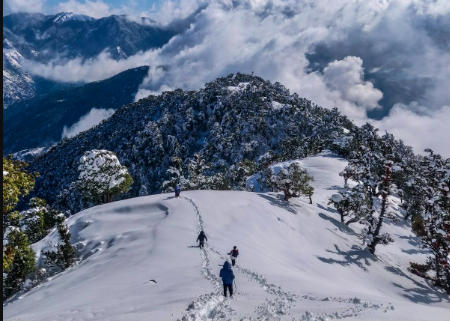
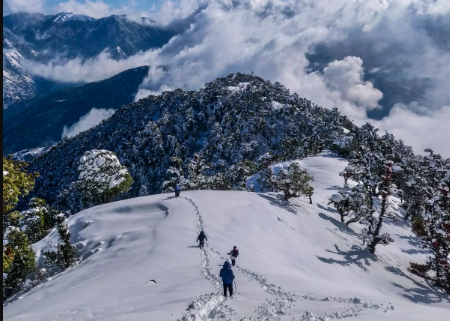
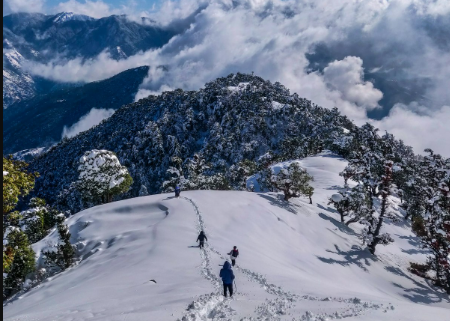
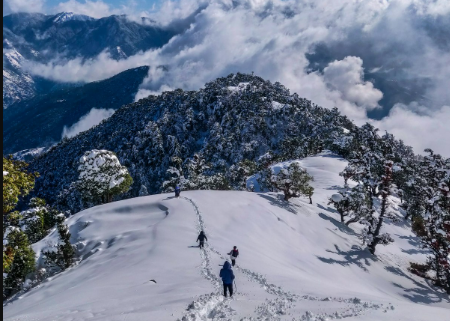
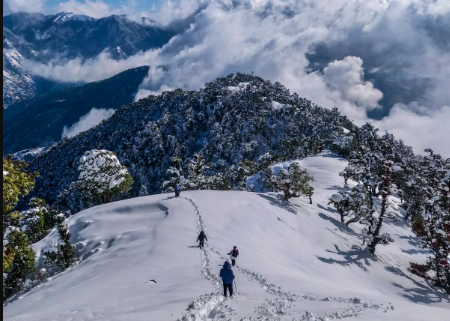
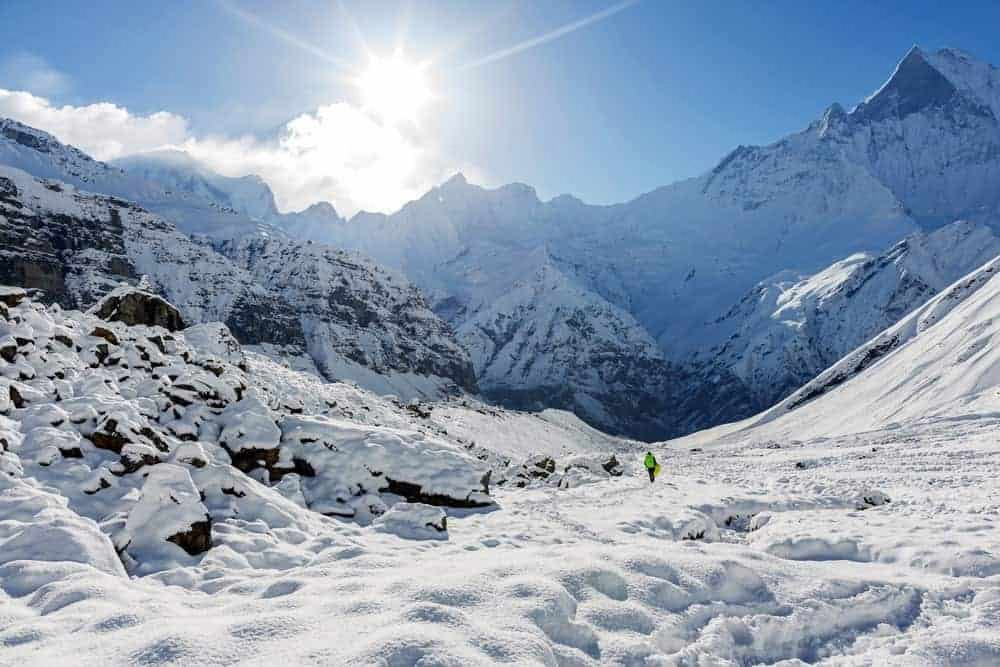
Badrinath snowfall is mainly a winter and shoulder-season concern, not something pilgrims should plan as a sightseeing promise. The shrine is generally closed for the harsh winter period, and access depends on official arrangements, road clearance and weather. Do not book a late-season trip only because you want snow; temple access and safety come first.
The bigger issue during yatra months is the combined effect of altitude, wind, cold rooms and long road hours. People with heart conditions, asthma, breathing problems, recent surgery or serious knee issues should speak with a doctor before booking. Children and senior citizens can travel, but the itinerary should avoid late-night arrivals in Badrinath.
For many travellers, a slower Char Dham plan works better than rushing from one shrine to the next. If your plan includes Yamunotri, Gangotri, Kedarnath and Badrinath, compare Char Dham Yatra packages by the number of nights, stopovers and vehicle type rather than only by the headline duration. A cheap short plan may remove the very buffer that hill travel needs.
Road Access to Badrinath and Where Delays Happen
The usual road approach is through Haridwar or Rishikesh, then the Alaknanda valley side via Devprayag, Rudraprayag, Karnaprayag, Joshimath and onward to Badrinath. Travellers coming from Delhi normally need an additional road day compared with those starting from Haridwar. The final stretch after Joshimath is scenic, narrow in parts and highly dependent on current road control.
Here’s the part most itineraries skip: you should decide where you are willing to halt if the road is held. Joshimath is a practical buffer point before Badrinath, while Pipalkoti and Govindghat may appear in some plans depending on hotel availability and route conditions. Your driver’s hill-road experience matters more than a slightly newer-looking vehicle.
Confirm current updates before you pay for fixed non-refundable arrangements. The local administration and Uttarakhand Police are the sources for road restrictions, landslide holds and weather-related traffic control. GMVN should be checked directly for its own accommodation availability and policies. For helicopter-linked Char Dham plans, IRCTC applies where relevant for Kedarnath helicopter booking, but Badrinath road access still needs separate checking.
Packing for Badrinath Weather: Clothes, Documents and Daily Use
Pack for cold, rain and delays rather than for a single perfect forecast. A pilgrim who travels from Haridwar in summer clothes often buys emergency woollens on the way. Better to carry compact layers from home and keep one warm layer inside the day bag, not buried in the main suitcase on the vehicle roof.
- Warm layers: thermal wear, fleece or sweater, jacket, woollen cap, gloves and warm socks.
- Rain protection: poncho or rain jacket, waterproof cover for bags and quick-dry clothing during monsoon months.
- Footwear: closed shoes with grip; avoid new shoes that may bite during temple queues or short walks.
- Health items: personal medicines, doctor’s prescription, basic motion-sickness support if advised, sunscreen and lip balm.
- Documents: photo ID, Char Dham registration proof if applicable that year, hotel vouchers and emergency contacts saved offline.
Food choices are usually simple along the yatra route, so carry dry snacks if you have diabetes, acidity or strict meal timings. Avoid heavy meals just before winding hill sections. A reusable water bottle helps, but drink steadily rather than gulping too much at once in cold weather. If you want itineraries and inclusions in one place, our India tour packages page is a practical starting point.
Choosing the Right Month and Trip Format
May suits pilgrims who want to travel soon after opening, provided they can handle cold mornings and crowds. June fits school-holiday families better, though advance hotel planning becomes important. September is worth considering for those who can avoid peak vacation dates. October is for travellers comfortable with low temperatures and shorter daylight, not for anyone hoping for relaxed late-evening road movement.
A Badrinath-only plan is simpler than a full Char Dham circuit, but many families combine it with Kedarnath as Do Dham or include it in broader religious tour packages. The right format depends on available days, age group, walking ability, hotel expectations and how much uncertainty you can tolerate in hill weather. Ask any operator to itemise nights, exact halts, vehicle category, meal plan and what happens if the road closes for a day.
Travellers already exploring India tour packages sometimes add Badrinath with Rishikesh, Haridwar or Auli, but that only works when the season matches the temple calendar. Mahendra Destinations is a Dehradun-based operator, so for a useful enquiry share your travel month, starting city, group size, age range, medical concerns, preferred hotel level and whether you want Badrinath alone, Do Dham or full Char Dham.
Plan Your Trip with Mahendra Destinations →
Frequently Asked Questions
Q1. What is the best month to visit Badrinath for easier weather?
Ans: May, June, September and early October are usually preferred, but each has a trade-off. May and June can be busy and cold at night. September is clearer after heavy rains ease, while October feels colder. Confirm temple dates and road status before fixing travel.
Q2. Does Badrinath receive snowfall during the yatra season?
Ans: Badrinath snowfall is more associated with late autumn, winter and early spring, when the shrine is generally closed to pilgrims. Light snow or sudden cold spells can still affect shoulder-season travel, especially near closing time. Always check local administration and weather updates close to departure.
Q3. Is Badrinath weather in June suitable for senior citizens?
Ans: June is generally more manageable than peak monsoon or late October, but senior travellers still need warm clothing, slow pacing and medical advice if they have heart, breathing or blood pressure concerns. The road journey is long, and altitude can tire even fit pilgrims.
Q4. What should I pack for Badrinath in October?
Ans: Carry a proper jacket, thermals, woollen cap, gloves, warm socks, comfortable shoes and basic medicines prescribed by your doctor. Badrinath weather in October can turn cold quickly after sunset. Keep documents, registration proof and a small day bag ready for temple visits.
Q5. Can road access to Badrinath be guaranteed after booking?
Ans: No operator can guarantee hill-road access. Rain, landslides, snow, police restrictions or local repairs can change the plan. Before and during travel, check Uttarakhand Police advisories, local administration updates and your operator’s route guidance. Keep buffer time if your train or flight is fixed.
Conclusion
Badrinath weather should shape the whole plan: month, route, packing, halt points and how much buffer you keep. May and June are popular, monsoon needs caution, September is often more balanced, and October requires serious cold-weather preparation.
Before booking, confirm temple announcements with the Shri Badrinath-Kedarnath Temple Committee, registration requirements with the official Uttarakhand portal and road status with local authorities. Mahendra Destinations can then help turn those checks into a practical itinerary that matches your dates, health needs and travel pace.

Every journey is a chance to explore, connect, and create lasting memories—because travel is about the adventure, not just the destination.
Recent Posts