08 Nov 2026
Kedarnath Ropeway Project Explained: Route, Status, Expected Timeline and Impact on the Yatra
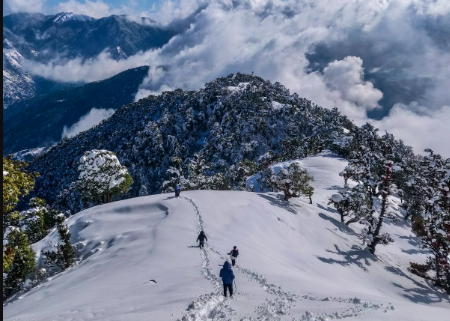
Kedarnath Trek Guide: Gaurikund to Kedarnath Distance, Time, Difficulty and Fitness Preparation
-
28 Oct 2026
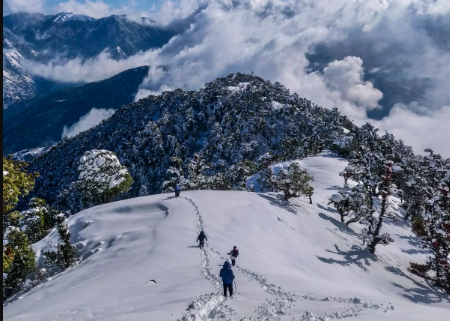
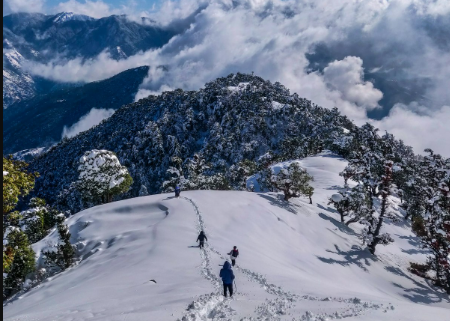
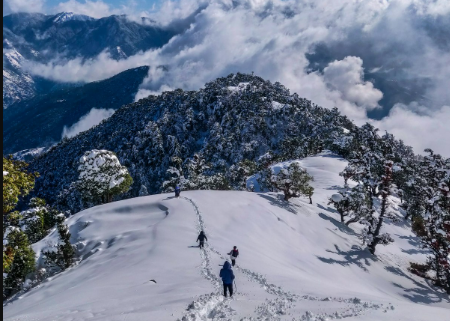
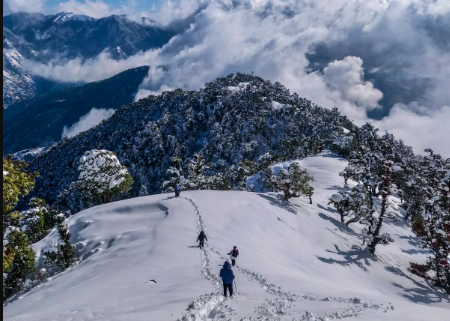
The kedarnath trek begins at Gaurikund and is generally planned as a steep, full-day climb of about 16 km up to Kedarnath temple. This is not a relaxed hill stroll. The path is familiar to most yatra operators, but altitude, cold, rain, crowd flow and mule traffic can all come together on the same day, so preparation matters, particularly for families and first-time pilgrims.
Most travellers first base themselves around Guptkashi, Phata, Sitapur or Sonprayag before reaching Gaurikund. From Sonprayag, local transport usually moves pilgrims towards Gaurikund, and the walking route starts from there. Opening dates, registration rules, road conditions and helicopter operations can change every year, so confirm them close to travel with official sources and your operator before paying for fixed arrangements.
Kedarnath trek route from Gaurikund
The normal road sequence runs from Haridwar or Rishikesh towards the Rudraprayag side, then on to Guptkashi or Sonprayag, and finally Gaurikund for the trek start. Many Char Dham Yatra packages include a night near Sonprayag or Guptkashi before Kedarnath, because beginning the climb late in the day puts unnecessary pressure on the group.
The commonly used Kedarnath trek 16 km route goes through halting points such as Jungle Chatti, Bheembali and Linchauli before reaching Kedarnath. These places are worth knowing by name when you are talking about porter support, pony movement, food breaks or a longer pause for slower walkers.
Getting to Sonprayag means travelling on mountain roads, so delays are not unusual during rain, heavy yatra movement or road repair work. Check local administration and Uttarakhand Police advisories for road status, especially during monsoon and just after heavy rainfall.
Gaurikund to Kedarnath distance, time and day planning
The gaurikund to kedarnath distance should be seen as a serious uphill walk, not just a figure written in an itinerary. A young, fit traveller starting at first light will need a different plan from a senior pilgrim, a child, or someone walking with extra luggage.
For most groups, the Kedarnath trek time takes much of the day once breaks are included. Start as early as local rules allow, keep your water bottle within reach, and don't schedule a same-evening road transfer right after returning unless your operator has built in enough buffer.
One thing many itineraries gloss over is the return walk. It also needs energy. Knees take extra strain on the descent, and rain can make stone stretches slippery. If you're travelling with parents, it is wiser to keep one buffer night in the wider Kedarnath sector than to force a tight sightseeing plan the next morning.
Travellers adding Kedarnath to other shrines should not treat it as just another halt in religious tour packages. For many pilgrims, Kedarnath is the most physically demanding part, so it needs recovery time, easy access to warm clothing and a vehicle schedule that leaves room for delays.
Kedarnath trek difficulty and who should avoid walking
Kedarnath trek difficulty is moderate to difficult for the average pilgrim, mainly because the climb continues for hours and the weather can shift fast. Food stalls and support services are available on the route in season, but they do not remove the effort of walking at altitude.
Beginners can do it if they prepare properly and are willing to move slowly. Searches for kedarnath trek for beginners often miss a simple truth: you don't need advanced trekking skills, but you do need stamina, patience and the discipline to keep going after fatigue arrives.
This trek is not suitable for everyone. Elderly pilgrims with heart or breathing problems, people with serious knee issues, very small children, and anyone advised against altitude travel should speak to a doctor before booking. Helicopter, palki, pony or partial support may be considered, but availability, booking rules and weather dependence must be confirmed every season.
Anyone comparing this journey with Uttarakhand adventure tour packages should remember that Kedarnath is still, first of all, a pilgrimage route. The aim is to reach safely, attend darshan as per temple arrangements, and descend without draining the rest of the trip.
Fitness preparation, packing and documents
Start preparing at least a few weeks before travel, if your health permits it. Brisk walking, stair climbing and light leg-strength work are more useful than last-minute excitement. Wear your shoes in before the yatra; new footwear on this route often ends in blisters.
Pack light, but don't pack as if the weather will stay friendly. Kedarnath can turn cold even when the lower towns feel comfortable, and rain protection is useful through much of the yatra season.
- Comfortable trekking shoes with grip, not smooth-soled casual shoes.
- Raincoat or poncho, warm layer, cap and extra socks.
- Personal medicines, prescription copies and any doctor-advised items.
- Water bottle, light snacks, small torch and power bank.
- ID proof, Char Dham registration proof, hotel confirmation and helicopter confirmation if applicable.
Confirm temple-related updates with the Shri Badrinath-Kedarnath Temple Committee. For government accommodation, check GMVN directly. Helicopter booking rules and windows should be verified through IRCTC where relevant, and not through forwarded messages or social media screenshots.
Common mistakes to avoid before booking
The most common mistake is choosing a low-buffer itinerary because it looks tidy on paper. A hill-road delay before Sonprayag can disturb the trek start, hotel check-in, darshan timing and the next day's departure. Before you pay, ask how the plan changes if the road opens late or weather stops helicopter movement.
Another error is judging quotes only by the total cost. A fair Kedarnath quote should show vehicle type, night halts, hotel category, meal plan, driver allowance if applicable, registration assistance, and what is excluded. Cheaper plans may remove the buffer night or keep the stay farther away from the practical start point.
Mahendra Destinations, as a Dehradun-based operator, can help travellers turn these details into a workable road itinerary, but the right plan still depends on your dates, group size, ages, fitness levels and comfort expectations. Share those facts clearly instead of asking only for the lowest package.
If you plan to use helicopter services, keep a road-and-trek backup in mind. Flying depends on weather, official scheduling and operational permissions. Never plan medical safety around a guaranteed helicopter exit, because guarantees are not realistic in this terrain.
Plan Your Trip with Mahendra Destinations →
Frequently Asked Questions
Q1. What is the approximate Gaurikund to Kedarnath distance?
Ans: The Gaurikund to Kedarnath distance is commonly planned as about 16 km on the present trekking route. Signboards and local route diversions can vary slightly, especially after weather damage or repairs, so check the latest local administration update before starting from Sonprayag or Gaurikund.
Q2. How much time does the Kedarnath trek usually take?
Ans: Most fit pilgrims plan a full day for the climb from Gaurikund to Kedarnath, with breaks for water, food and weather. The actual Kedarnath trek time depends on fitness, crowd levels, mule traffic, rain and how early you start from Sonprayag.
Q3. Is the Kedarnath trek suitable for beginners?
Ans: Kedarnath trek for beginners is possible, but only with preparation. You should be able to walk several hours, climb steadily and manage cold or rain. Anyone with heart, breathing, knee or altitude-related concerns should take medical advice before choosing the trek over helicopter or palki support.
Q4. What should I pack for the Kedarnath trek?
Ans: Carry a raincoat, warm layer, comfortable trekking shoes, ID proof, registration proof, basic medicines, water bottle, light snacks, power bank and a small torch. Keep luggage minimal. Heavy bags slow you down and make mule or porter arrangements more complicated at busy times.
Q5. Do I need Char Dham registration for Kedarnath?
Ans: Registration rules can change by season. Pilgrims should confirm current requirements on the official Uttarakhand Char Dham registration portal before travel. Keep the registration proof and ID accessible during the road journey and trek, as checks may happen at designated points.
Conclusion
A good kedarnath trek plan begins before you arrive at Gaurikund: pick the right night halt, check registration and road status, build up your fitness, and allow enough time for both the climb and the return. The route is manageable for many pilgrims, but it rewards patience far more than speed.
Before finalising with Mahendra Destinations or any operator, share your travel month, starting city, group size, ages, health concerns, hotel preference and whether you want to trek, use support, or keep a helicopter option. That gives you a quote and itinerary you can actually use on the road.

Every journey is a chance to explore, connect, and create lasting memories—because travel is about the adventure, not just the destination.
Recent Posts